Introduction to the Brussels International Forum 2026
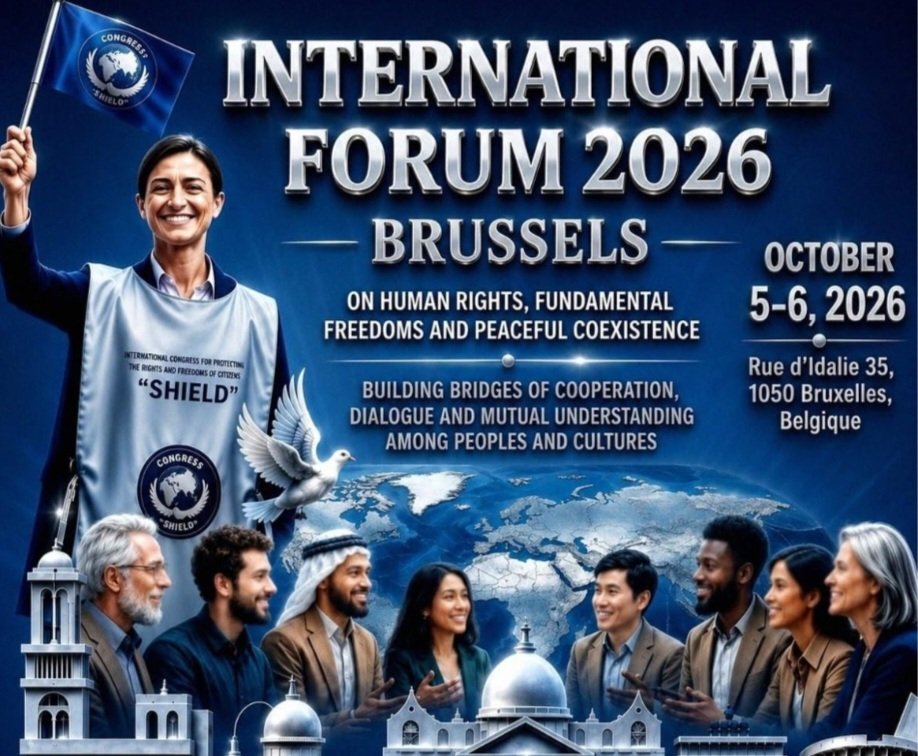
The Brussels International Forum, set to convene in 2026, stands as a crucial platform aimed at addressing pressing global humanitarian challenges. This forum brings together a diverse array of stakeholders, including political leaders, diplomats, civil society representatives, and experts from various fields. The primary purpose of the forum is to foster collaboration and encourage meaningful dialogue among these key players, thereby facilitating an exchange of ideas and strategies focused on promoting peace and justice worldwide.
Significantly, the Brussels International Forum provides an opportunity to mobilize collective action to tackle urgent issues such as conflict resolution, humanitarian assistance, and human rights advocacy. The event not only highlights the necessity for cooperation among nations but also underscores the importance of including voices from the ground—those who are directly impacted by humanitarian crises. By incorporating local perspectives into the discussions, the forum ensures that actionable solutions are rooted in the reality of those affected.
One notable aspect of the Brussels International Forum is its commitment to inclusivity. The organizers aim to create an environment where diverse opinions can be shared openly, allowing for a more holistic understanding of the challenges at hand. By doing so, the forum seeks to identify innovative approaches to global issues—transforming ideas into tangible actions. With the presence of influential figures from international organizations, non-governmental organizations (NGOs), and academic institutions, the discussions are anticipated to be rich and insightful, paving the way for collaborative efforts to address the most pressing matters on the global stage.
In conclusion, the Brussels International Forum 2026 is poised to become a significant event in the global dialogue on peace and justice. By bringing together leaders and experts, it aims to inspire a collective response to humanitarian challenges, ultimately striving for a more peaceful and equitable world.
The Urgent Need for Constructive Dialogue
The world today is facing an array of pressing challenges that threaten global stability and coexistence. From ongoing conflicts in various regions to social inequalities and environmental degradation, these crises demand immediate attention and cooperative solutions. The necessity for constructive dialogue among nations and organizations has never been more critical. Without open channels of communication, the potential for misunderstanding and escalating tensions increases, further complicating our efforts to achieve peace and justice.
Conflicts, whether they are armed disputes or ideological disagreements, require negotiation and diplomacy to ensure that the interests of all parties are considered. Efforts to resolve conflicts through dialogue can foster mutual understanding and build trust, mitigating the risk of violence. This approach is not only applicable to international disputes; it also encompasses local community issues that can spiral into larger conflicts if left unaddressed. At the Brussels International Forum 2026, we recognize that effective dialogue must extend beyond the highest levels of government, engaging civil society, grassroots organizations, and affected communities.
Moreover, social issues, including equity, poverty, and discrimination, necessitate collective action. The disparities exacerbated by economic instability and public health crises—such as the COVID-19 pandemic—highlight the importance of inclusive discussions that address the root causes of these social challenges. Constructive dialogue can stimulate collaborative problem-solving, allowing stakeholders to identify innovative solutions that serve the greater good.
Environmental concerns, particularly climate change, further underscore the urgency for dialogue on a global scale. Collaborative efforts are essential for developing sustainable policies and practices. Open communication can lead to shared commitments and responsibilities in combating climate change, fostering a sense of global solidarity essential for addressing this existential threat to humanity.
In conclusion, the contemporary crises facing our world emphasize a critical need for constructive dialogue. By prioritizing open communication across nations and entities, we can work towards a more peaceful and just future, enabling us to navigate the complexities of our times effectively.
Building Partnerships for Human Rights and Justice
The promotion and protection of human rights require collaborative efforts among diverse stakeholders, including governments, civil society organizations, and media representatives. The Brussels International Forum 2026 serves as a pivotal platform that emphasizes the importance of such collaboration. By bringing together representatives from various sectors, the forum fosters meaningful partnerships that are essential for addressing human rights issues on a global scale.
Governments play a critical role in establishing legal frameworks and policies that uphold human rights standards. However, the effectiveness of these initiatives is often contingent upon collaboration with civil society. Non-governmental organizations are instrumental in advocating for justice and raising awareness about human rights violations. They bring to light the real-life implications of policies and decisions, thereby holding governments accountable and ensuring that the voices of marginalized communities are heard. At the Brussels International Forum, governments can engage with these organizations to better understand the on-ground realities and challenges faced by individuals whose rights are at risk.
Additionally, the media serves as a vital conduit for information dissemination and public engagement on human rights issues. By covering human rights stories, investigative reporting can shine a light on abuses, mobilizing public support for justice initiatives. During the forum, partnerships between media representatives and civil society can be strengthened, enhancing the media’s ability to report accurately and responsibly on human rights matters. Together, these partnerships can create a more informed public that advocates for justice and accountability.
Overall, the Brussels International Forum fosters an environment conducive to dialogue and shared understanding among governments, civil society, and media. Through collective efforts, the forum aims to implement effective human rights standards that champion justice for all individuals. This collaboration exemplifies how partnerships can drive the global agenda for peace and justice, paving the way for a more just society.
Engagement and Action for a Peaceful Future
The Brussels International Forum 2026 serves as an opportune platform for dialogue, inviting stakeholders from various sectors to actively engage in discussions aimed at fostering peace and justice on a global scale. As we ponder the complexities of today’s geopolitical landscape, it becomes clear that the involvement of governments, international organizations, civil society, and the private sector is paramount. These entities must work collaboratively to address pressing issues affecting communities worldwide.
Engagement in the forum’s initiatives transcends mere participation; it demands a commitment to actionable outcomes. Stakeholders are encouraged to contribute their insights and resources, fostering an environment conducive to innovation and transformative solutions. By sharing experiences and best practices, participants can converge on common goals that address the roots of conflict and injustice while promoting sustainable development.
The significance of multi-stakeholder collaboration cannot be overstated. The complexity of modern challenges, including climate change, economic disparity, and human rights violations, requires an inclusive approach. The forum facilitates a space where diverse voices can converge, encouraging cross-sectoral partnerships that leverage the strengths of each participant. Such collaborative efforts can lead to strategies that not only tackle immediate concerns but also pave the way for long-term peace and coexistence.
Integral to this process is the upholding of human dignity, which should remain at the core of all discussions and initiatives. As stakeholders engage with one another, it is essential to prioritize the needs and rights of affected communities. The forum calls for a renewed commitment to ensuring that every individual is treated with respect and afforded opportunities for development.
As we look forward to the Brussels International Forum 2026, it is imperative for stakeholders to recognize their role in this collective journey towards a peaceful future. Through sustained engagement and a focus on actionable outcomes, we can build a framework that not only addresses the current crises but also anticipates future challenges, ensuring a more just and equitable world for all.